January 12, 2025
6 min read
65-80% of restaurant sales come from regulars. Loyalty program members visit 20% more often and spend 20% more. Remembering preferences is how you build that loyalty.
Great restaurants remember. They remember your name. Your favourite table. The wine you loved last time. That your daughter is vegetarian.
This is not magic. It is good data management. And it is the difference between a nice restaurant and the restaurant that feels like yours.
65-80% of restaurant sales come from regulars, making loyalty the backbone of profitability.
Guests who engage through digital channels show 24% higher lifetime value compared to traditional-only guests -- from both higher visit frequency and larger average check sizes.
Small details matter more than grand gestures:
These moments feel personal. They feel like the restaurant knows you. In reality, they are information captured in a system and surfaced at the right moment.
Loyal customers spend 67% more at restaurants than new ones.
The difference between a first visit and a regular is not just frequency. It is spend per visit, willingness to try new dishes, tolerance for occasional mistakes, and likelihood of recommending you to friends.
Every guest should have a profile that accumulates over time:
Basic information: Name, contact details, booking history, no-show record.
Preferences: Preferred seating (window, corner, quiet area). Dining style (quick lunch, leisurely dinner). Celebration dates (birthdays, anniversaries).
Requirements: Allergies and dietary restrictions. Accessibility needs. Language preferences.
Observations: Favourite dishes. Wine preferences. Server notes from past visits.
This profile starts thin -- name and phone number from the first booking -- and grows richer with every visit. By the third visit, you should know their name, their usual preferences, and something personal about them.
The best guest data comes from natural interactions, not interrogations.
At booking: "Is this for a special occasion?" and "Any dietary requirements?" -- these are standard questions that populate the profile without feeling intrusive.
At the table: "How was everything?" (note what they loved). "Same wine as last time?" (observe patterns). Staff observations are the richest data source. Train your team to note: "Table 7 mentioned they always sit at the window -- add to profile."
After the visit: Feedback responses and review content reveal what mattered to the guest.
Loyalty program members visit restaurants 20% more frequently and spend 20% higher per visit compared to non-members.
The profile is the foundation of that loyalty. Members stay loyal because the restaurant knows them.
Information is worthless without action. The profile must surface when needed.
Before service: Pre-shift briefings should cover VIP guests tonight, special occasions, notable preferences, and potential issues from past complaints.
At seating: The host should see preferred table, usual server, and any past reliability concerns.
During service: Servers should know allergies, past orders, favourites, and celebration information.
At farewell: "Hope your anniversary was special" or "See you next month for your birthday?" -- these small acknowledgments compound into loyalty.
"Back for the risotto, Michael?" is worth more than any discount. It signals that the guest matters, that they are known, that this restaurant is different from the anonymous one down the street.
By the third visit, greeting by name should be automatic. By the fifth, the host should know their usual table and the server should know their preferences without checking. This progression from stranger to regular is the most valuable journey in restaurant hospitality.
Guest history also enables recovery. A guest who had a bad experience gets their next reservation flagged. Management greets them personally. Extra attention is paid. A complimentary touch shows you remember and care.
That guest's story changes from "bad experience" to "bad experience they made right." Recovery informed by history is more targeted and more effective than generic apologies.
Guest data is sensitive. Handle it responsibly.
"We noticed you ordered champagne last time -- congratulations must be in order?" is charming. "We noticed you spent a lot last time -- want to match it?" is not. The line between thoughtful and invasive is clear. Stay on the right side.
A regular who visits monthly with a EUR 80 average check: EUR 960 in year one. EUR 4,800 over five years. EUR 9,600 over a decade. Plus friends they bring. Plus recommendations. Plus special occasions they host at your restaurant.
One remembered preference -- their favourite table, their wine choice -- can turn a one-time visitor into that EUR 10,000 relationship.
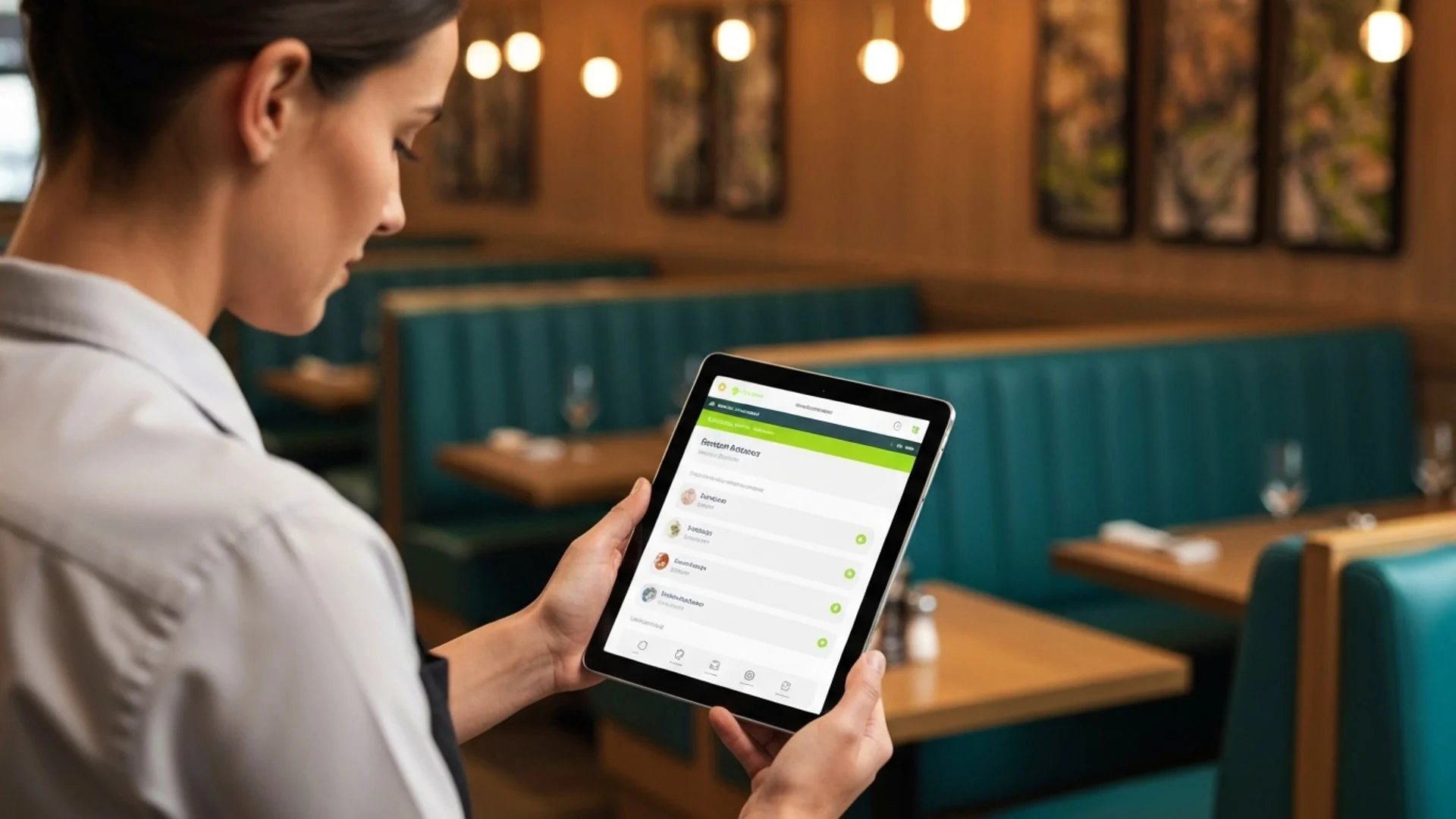
Nine Tables automatically creates and maintains guest profiles. Every booking, every visit, every note from staff accumulates in the guest record. When a returning guest books, the system surfaces their history: preferences, dietary needs, celebration dates, past visits, server notes.
The profile is visible at every touchpoint -- the booking dashboard, the floor plan view, the server's device. Information flows from booking to host to server without anyone needing to remember, relay, or transcribe.
For returning guests, the system makes personalised service the default, not the exception. The restaurant that remembers is the restaurant they return to.
In a world of generic service, remembering stands out. When a guest walks in and is greeted by name, seated at their preferred table, and served by someone who knows their allergies without asking -- they feel valued.
That feeling does not come from luck. It comes from data, systematically captured and thoughtfully surfaced. Be the restaurant that remembers. The regulars will follow.