January 9, 2025
8 min read
Restaurants with cancellation fees saw guests cancel 19% less in 2024. Deposits cut no-shows by 57%. Here is how to build a policy that protects revenue without scaring away bookings.
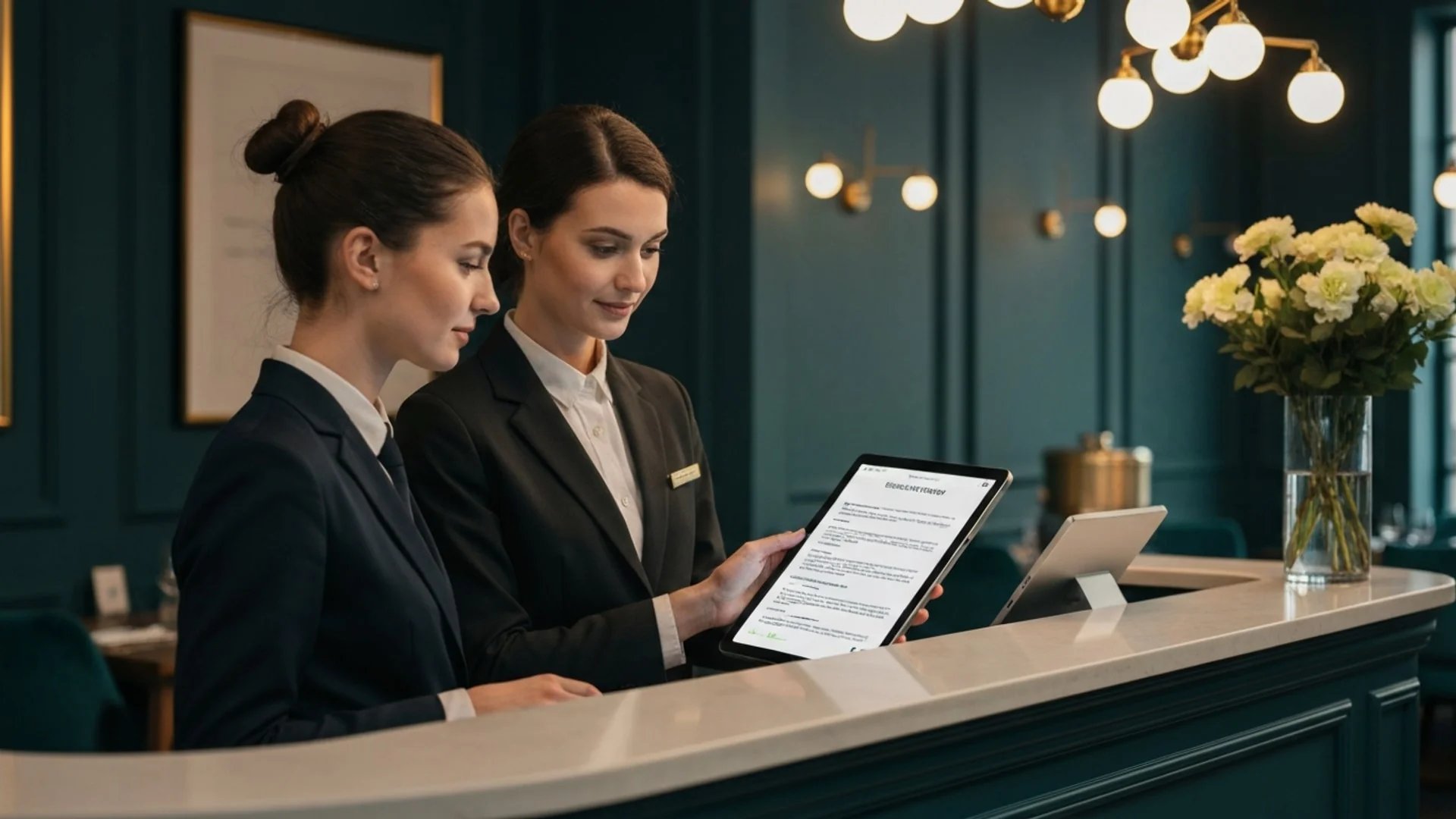
In 2019, only 4% of restaurants had cancellation fees. By 2024, that number reached 17%. The result: guests cancelled their reservations 19% less often than the year before.
A cancellation policy walks a tightrope. Too strict, and guests hesitate to book. Too loose, and they book casually, then do not show up. Empty tables, wasted food, demoralised staff, lost revenue.
The good news is that the data now shows clearly what works. The restaurants getting it right are not choosing between flexibility and protection. They are using the right tools to offer both.
Before designing a policy, consider what no-shows actually cost.
The industry global benchmark sits at 11% for cancellations and 3.5% for no-shows.
More than 20% of diners fail to show up for reservations at restaurants without a policy or confirmation system.
A single empty table on a busy Friday night does not just lose the revenue from that reservation. It also means wasted prep (the kitchen prepared for guests who never came), missed opportunities (you turned away others who would have filled that table), and staffing waste (you scheduled servers based on expected covers). The no-show disrupts your seating flow for the entire evening.
For a restaurant doing 50 covers per night, the difference between a 15% no-show rate and a 3% rate is 6 tables per night. At EUR 45 per cover, that is EUR 270 in recovered revenue every service.
Three out of four diners are open to paying reservation deposits, according to SevenRooms research.
This is not a niche policy that guests resist. Most diners understand why it exists and accept it, especially for high-demand periods.
The numbers on deposit effectiveness are striking:
Long Meadow Ranch in California wine country implemented deposits and reduced their no-show rate from 15% to 1%.
Most restaurants find EUR 15-30 per person is the right range. Enough to create commitment without scaring away bookings. Fine dining can go higher -- EUR 50-100 per person is common for tasting menus.
Reservations with prepayments for events and experiences show 35% higher spend compared to standard bookings.
That is a meaningful insight: guests who commit financially upfront tend to spend more during the meal. The deposit does not just reduce no-shows. It attracts more committed, higher-spending guests.
High-demand periods. Friday and Saturday evenings, holidays, Valentine's Day, New Year's Eve -- every empty table on these nights is revenue you cannot recover. Guests expect stricter terms when they know tables are scarce.
Large groups. A no-show table for two is manageable. A no-show table for eight wrecks your evening. Larger parties warrant deposits of EUR 15-25 per person with 48-72 hour cancellation windows.
Special events and set menus. When the kitchen orders ingredients specifically for a booking, a no-show is a direct financial loss. Prepayment or non-refundable deposits are appropriate.
Chronic no-show problems. If your no-show rate exceeds 10%, deposits are justified across the board until the problem is under control.
Low-demand periods. If you are struggling to fill tables on Tuesday evenings, adding deposit friction makes it harder. Use reminders and confirmation prompts instead.
Casual dining. If your average check is EUR 20 and the booking process should be effortless, a deposit may push guests to the place next door that does not require one.
Markets where deposits are culturally unusual. In some regions, guests are not accustomed to restaurant deposits. Introducing them requires clear communication about why they exist.
This sounds counterintuitive, but it is well-documented. When cancellation is difficult, people avoid the effort and simply do not show up. When cancellation is one tap away, they cancel properly, and you can rebook the table.
Make cancellation effortless:
The key insight is that a cancelled reservation is better than a no-show. A cancellation 24 hours before service gives you time to rebook the table. A no-show gives you an empty seat.
Policies only work if guests know them. Communication happens at three points:
Display the policy clearly before the guest completes their reservation. Not buried in terms and conditions. Visible and clear: "Free cancellation until 6 PM the day before. No-show fee of EUR 25 per person applies."
Remind them of the policy with the deadline explicit: "Cancel easily by tapping the link below. Free cancellation until 18:00 tomorrow."
Send a reminder as the cancellation deadline approaches. This is the most important touchpoint. "Your reservation is tomorrow at 19:30 for 4 guests. Confirm or cancel by 18:00 today."
This reminder gives guests an explicit moment to decide. Many who would have been no-shows will cancel properly when prompted. That is a table you can rebook.
A rigid policy applied identically to your best customer and a serial no-show damages the relationship. A first-time no-show from a regular who has visited 20 times deserves grace. A third no-show from someone who has never actually appeared deserves consequences.
Guest history data makes this distinction possible without guesswork.
"We do not charge for cancellations if you let us know -- even at the last minute. We just want to know so we can offer the table to someone else."
This framing changes the guest's mental model. Instead of "I will be punished for cancelling," it becomes "They just want me to tell them." More guests communicate. Fewer no-show.
A policy you do not enforce is worse than no policy at all. Guests learn there are no real consequences. Staff get confused about when rules apply. Repeat offenders never face accountability.
If your policy says you will charge EUR 25 for no-shows, charge EUR 25 for no-shows. Selective enforcement undermines the entire system.
Automation makes enforcement consistent. The system tracks no-shows, applies flags, and enforces deposit requirements for flagged guests automatically. No staff member makes an awkward judgment call.
Nine Tables provides the full toolkit for cancellation management:
Automated SMS reminders include reservation details, a one-tap confirmation link, a one-tap cancellation link, and the cancellation policy. When a guest cancels through the link, the table opens up for other bookings automatically.
Guest profiles track booking history, cancellation patterns, and no-show frequency. You see a guest's reliability at a glance and can apply your policy with context -- grace for regulars, consequences for repeat offenders.
Waitlist backfill means cancellations become opportunities. When a guest cancels, waitlisted guests can be notified automatically. A cancellation 24 hours before service often results in the table being filled within hours.
The restaurants with the lowest no-show rates share a pattern: clear policy, easy cancellation, automated reminders, deposits where appropriate, and consistent enforcement.
The combination of these elements typically drops no-show rates from the 15-20% range to 3-5%. For most restaurants, that translates directly into recovered revenue, better service, and less waste.
Your cancellation policy is not about punishing guests. It is about creating a system where the guests who want your table actually show up for it -- and the ones who cannot make it tell you in time for someone else to take their place.